.2603121035430.png)

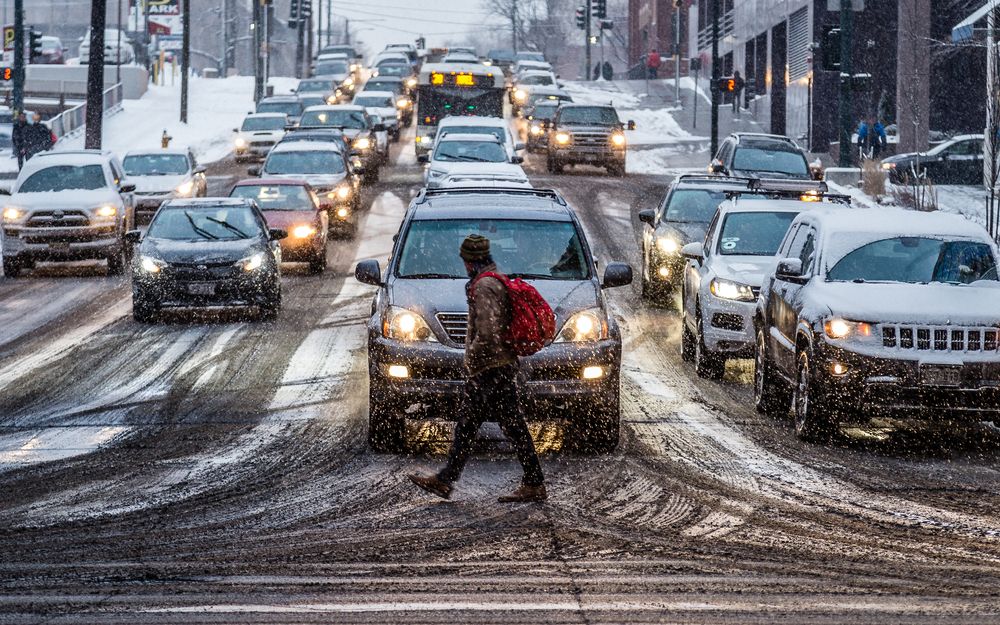
Christmas Eve changes how Philadelphia streets behave. Drivers hunt for parking, delivery vehicles stop without warning, and rideshares pull in and out of traffic near stores, restaurants, and event venues. Meanwhile, pedestrians hurry across intersections with shopping bags, kids in tow, or a plan to meet family on time. Because of that, crosswalk crashes tend to happen in predictable places, busy shopping corridors, crowded mall entrances, and intersections where turning cars compete with people crossing.
If a vehicle hits you in a crosswalk on Christmas Eve, you may feel shaken and pressured to keep moving. However, a pedestrian impact can cause serious injury even when you stay on your feet. The steps below help you protect your health and preserve the details that matter if the driver or insurer later disputes what happened.
Step One: Get Help At The Scene And Make Safety The Priority
Call 911, or ask someone nearby to call for you. Request police and medical response. Even if you can stand or walk, you could still have a concussion, internal injury, or a fracture that is not obvious yet. If you feel dizzy, nauseated, confused, or unusually tired, sit down and stay still. If you hit your head, or you feel neck or back pain, avoid moving more than necessary until medical help arrives.
If the driver suggests handling it privately, do not agree. A formal report and medical evaluation protect you when the story changes later.
Similar Post: What Should You Do After A Holiday Car Accident In Philadelphia?
Step Two: Treat Same Day Medical Care As Non-Negotiable
Pedestrian crashes often cause delayed symptoms. You may feel sore and embarrassed in the moment, then wake up with intense pain the next day. That is common, and it does not mean the injury is minor.
Crosswalk crashes frequently involve:
- Concussion symptoms, headache, or light sensitivity
- Facial injury, chipped teeth, or jaw pain
- Wrist, elbow, or shoulder injuries from bracing
- Hip, knee, ankle, or foot injuries from twisting on impact
- Neck and back strain
- Deep bruising that spreads over 24 to 48 hours
If EMS evaluates you, follow their guidance. If you decline transport, go to urgent care or an emergency department that day. Keep discharge paperwork, imaging results, prescriptions, and referrals. Those records support your recovery and help connect your symptoms to the collision.
Step Three: Lock In Driver Details Before Anyone Leaves
If you can do so safely, identify the driver and document the vehicle. Get the driver name, phone number, insurance details, and license plate number. Then photograph the plate and the vehicle from multiple angles. If the car remains near the crosswalk, photograph its position relative to the intersection, curb, and crosswalk markings.
If the driver leaves, try to capture the plate number and the direction of travel. Ask witnesses if they saw the plate or recorded video. Hit-and-run crosswalk crashes still lead to claims in many situations, but early identification details make the process far easier.
Step Four: Photograph The Intersection
Crosswalk cases often come down to the signals and the turn pattern. Because of that, your photos should show the environment, not just the injuries.
Capture:
- The crosswalk markings and where you crossed
- Walk signals and traffic lights from several angles
- Turn arrows, turn restrictions, and lane markings
- Obstructions that block visibility, including vans, delivery trucks, and double parked cars
- Lighting conditions, glare, wet pavement, or ice
- Nearby bus stops, rideshare zones, or loading areas
- Your injuries, shoes, and torn or damaged clothing
Wide shots show the layout. Close shots show the details. Both help when someone later claims you crossed outside the crosswalk or against the signal.
Step Five: Get Witness Information While People Are Still Stopped
Witnesses rarely stick around on Christmas Eve. People help, then rush off. Ask for names and phone numbers. If someone says they saw the driver turn without yielding, roll through a stop, run a light, or look down at a phone, write that down immediately in your notes.
If a business is nearby, ask staff whether cameras face the crosswalk. You may not be able to obtain footage on your own, but identifying camera locations early helps keep the option open if a claim moves forward.
Similar Post: Why Philadelphia's Historic Cobblestone Streets Pose Hidden Risks to Pedestrians
Step Six: Keep Your Statements Simple And Do Not Minimize Your Symptoms
After a crash, it is normal to say you are fine, or to apologize out of habit. However, those statements can get repeated later in a way that weakens your claim. Just stick to the facts. Tell police you were in the crosswalk and describe what you remember about the vehicle movement, such as a turning car that did not yield.
Also avoid posting about the collision online. Comments and photos can be taken out of context and used to argue you were not hurt.
Step Seven: Make Sure The Report Captures The Key Facts
Before you leave, ask how to get the report number. If you can, confirm the report lists the correct intersection and that it notes you were in or entering the crosswalk. If you requested medical care or you have visible injuries, make sure that appears in the report narrative. If you notice inaccuracies later, address them quickly through the appropriate channel.
Why Crosswalk Crashes Often Get Disputed On Christmas Eve
Even when pedestrians have the right of way, drivers and insurers often push blame toward the person on foot. Common arguments include:
- Crossing outside the crosswalk
- Entering suddenly with no time to stop
- Wearing dark clothing and being hard to see
- Looking at a phone and not paying attention
- The driver having a green light and claiming no duty to yield
Because these defenses are common, early documentation matters. Photos of the signals, the markings, and the intersection layout help counter these claims. Prompt medical care also helps, because it prevents the insurer from arguing your symptoms came from something unrelated.
What Compensation Can Cover After A Pedestrian Crosswalk Crash in Philadelphia
A pedestrian accident can create costs far beyond the initial ER visit. Depending on the facts, a claim may involve:
- Emergency care, imaging, follow-up visits, and specialist treatment
- Physical therapy, rehabilitation, and future medical needs
- Lost wages and reduced earning ability
- Pain and suffering based on daily impact
- Out-of-pocket expenses tied to recovery, including travel and medical supplies
The value depends on injury severity, treatment needs, time missed from work, and the strength of the evidence supporting fault.
Pennsylvania rules can reduce recovery if the injured person shares fault. Because of that, insurers often search for reasons to argue you contributed to the crash. This is where documentation matters most. Clear photos showing you crossed where you should have crossed, along with witness support and signal evidence, can reduce the power of these arguments.
Christmas Eve pedestrian crashes do not only happen at city intersections. They also happen in shopping centers where drivers rush through crosswalks, back out without looking, or cut across lanes near store entrances. In these cases, the same steps still apply: call police, get medical care, document the crosswalk markings and lighting, and collect witness information as quickly as possible.
Were You Hit In A Crosswalk In Philadelphia On Christmas Eve? Get Guidance From van der Veen, Hartshorn & Levin
A crosswalk crash can create lasting injuries, especially when it involves head trauma, fractures, or back and neck pain that affects work and daily life. If you were struck while using a crosswalk on Christmas Eve, van der Veen, Hartshorn & Levin can explain your options and help you understand what steps may strengthen your claim moving forward.
Call us today at (215) 610-3440 or fill out our online contact form to schedule a free consultation. We represent clients throughout Pennsylvania, including Center City, Hunting Park, and South Philadelphia.
Disclaimer: This blog is intended for informational purposes only and does not establish an attorney-client relationship. It should not be considered as legal advice. For personalized legal assistance, please consult our team directly.