.2603121035430.png)

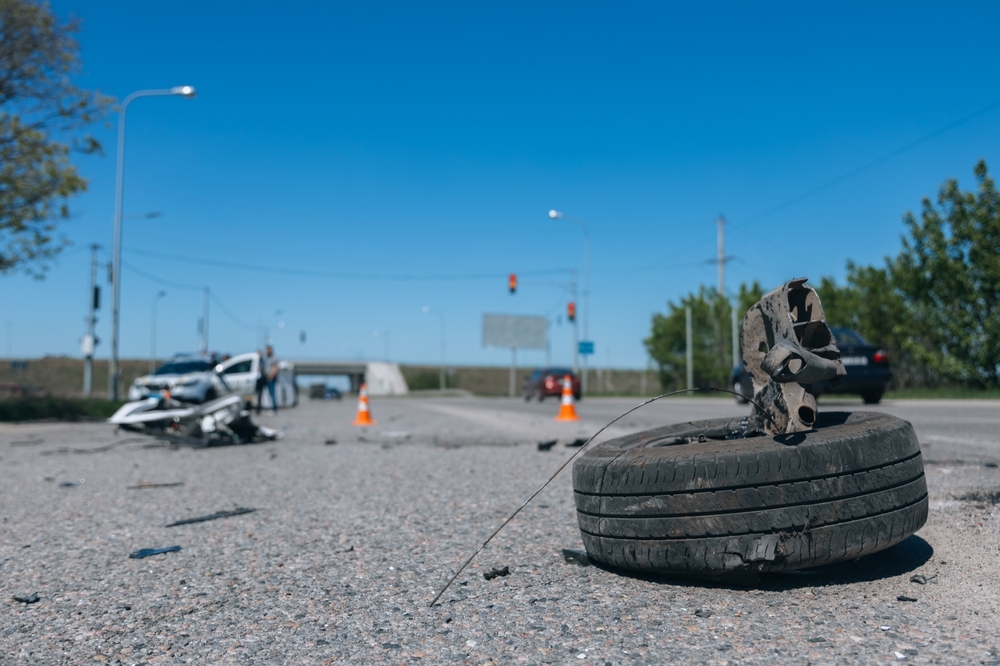
The City of Philadelphia is known for many things, but unfortunately one of those includes having one of the highest rates of motor vehicle accidents and fatalities in the state. In fact, the numbers come out to about seven motor vehicle-related injuries sustained per hour!
The City of Philadelphia’s Citizens Police Oversight Commission (CPOC) has important information on its website about what residents should do if they get into a traffic accident. We have summarized this information below, but encourage you to read the blog by CPOC’s Staff Investigator, Shatina Ray.
Steps to Take After a Car Crash
The steps you take after a motor vehicle crash are critical for 1) ensuring the health and safety of you and anyone involved and 2) establishing the need for compensation to cover your damages should you decide to pursue a personal injury claim.
Here’s what you need to do after being involved in a car accident or other type of motor vehicle crash in Philadelphia:
Pull Over Somewhere Safe and Call 911
If you can move over somewhere safe after the crash, do it, as it can help prevent further damage from occurring. That being said, if it’s not possible to move, put your hazards on until law enforcement arrives.
As briefly mentioned above, all drivers involved in a motor vehicle crash that resulted in injury, death, or severe vehicle damage that requires towing, are required by law, to call law enforcement. Once they are at the scene, they will interview those involved in the crash, and any nearby witnesses to corroborate the sequence of events and file a police report. The Department of Records is responsible for generating and releasing the crash report. Typically, it will be available to you within 2-3 weeks after the accident.
Document the Accident Scene
If you’re able to, try and document the accident scene. It’s always better to err on the side of caution and collect more evidence than you may actually need.
At the scene, take pictures or videos of your vehicle, the current weather conditions, noticeable injuries, road hazards (such as construction zones), photos of the road, skid marks, makes and models of the vehicles involved, license plates, and anything else you think might be relevant. If witnesses are available, collect their names and contact information, as their account of what happened may prove invaluable in your claim.
Though the information will be in the police report, you must document your account of what happened, as well as the date, time, and location of the crash for your records.
Seek Medical Attention
If you were injured in the accident, seek medical attention as soon as possible. Because motor vehicle crashes occur so suddenly, adrenaline usually masks the severity of injuries. Furthermore, certain injuries, such as concussions, may not manifest for a few hours later. The result of both is that you could go home, mistakenly believing that you only have a few bumps and scratches, when in reality, you could be suffering from more severe damage.
Prompt medical care ensures that you’re taken care of properly. It also establishes a paper trail, providing proof of medical records and severity of injuries, which your lawyer will need if you pursue a lawsuit.
Notify Your Insurance Company
In addition to notifying law enforcement, you must also inform your insurance company of the accident. The timeframe in which you are required to do so will depend on your insurance company; however, it’s best to file the report as soon as possible.
Any delays in reporting may result in a denial of your claim and the compensation you need to recover.
The Role Law Enforcement Plays in Philadelphia Car Accidents
As mentioned above, drivers are required by law to report any accidents involving injuries, death, or severe property damage that renders driving away from the crash impossible to the Philadelphia Police Department. Police get involved in these types of accidents so they can investigate the details and determine if any criminal violations must be attributed to the crash.
Depending on the details of the accident, several divisions may be responsible for conducting these investigations:
The Crash Investigation District
In severe accidents that result in injuries and death, the Crash Investigation District (CID) is responsible for the investigation. In addition to investigating crashes resulting in injury or death, the CID also looks into:
- Pedestrian accidents where the pedestrian is 18 years or younger
- Accidents involving City and privately owned vehicles used for official City purposes
- Accidents that involved hazardous material carriers
- Accidents that resulted in damage to City property
The Detective Division of Occurrence or the Homicide Unit
The Detective Division of Occurrence and/or the Homicide Unit gets involved in crashes where suicide or deliberate acts of harm are suspected. The CID assists in these investigations, too.
The Homicide Unit/Detective Division of Occurrence/Crime Scene Unit
If the crash calls for it, the Detective Division of Occurrence, Crime Scene Unit, and/or Homicide Unit will arrive on the scene to begin their investigation.
Keep in mind that, though these will be the most common responding agencies, other agencies including University Police Departments and SEPTA also have authorization to respond to motor vehicle accidents if they occur within their jurisdiction.
How Reporting Car Crashes to Law Enforcement Can Help Reduce Accidents and Injuries Moving Forward
The Philadelphia Police Department plays a pivotal role in the fight against increasing motor vehicle accidents and fatalities in the city. When accidents occur, regardless of whether they include any criminal behavior, reports are made. These reports are logged and maintained by the PPD’s Traffic Criminal Software System, (or TraCS System).
These reports are swiftly communicated with the Municipal Traffic Court, other PPD servers, and the Pennsylvania Department of Transportation (PennDOT). As such, information about where the accident occurred and how can provide invaluable insight into what safety measures must be implemented to reduce accidents and injuries moving forward. Take Roosevelt Boulevard, for example. The city has a safety initiative in progress and by 2029, is expected to have improved pedestrian crossing signals, bike lanes, traffic signals, and bus-only lanes to reduce injuries and fatalities in this accident hotspot.