.2603121035430.png)

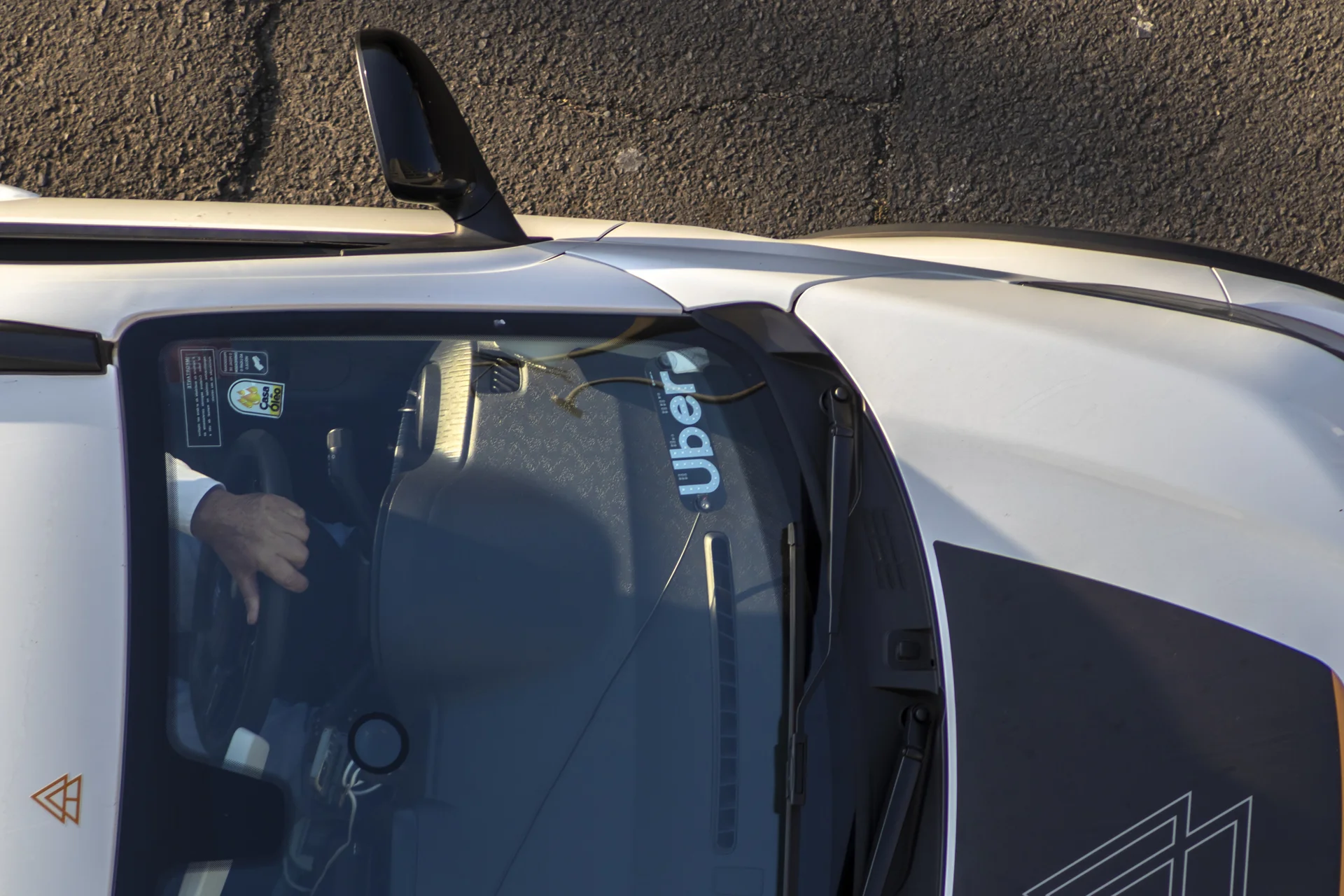
Rideshare insurance starts with a deceptively simple question: What was the app doing at the exact moment of the crash? The answer determines which policy applies and how much coverage may be available. Uber and Lyft claims are divided into “periods,” and each one carries different rules.
Period 0 is when the driver is offline. In this stage, only the driver’s personal auto policy applies. Many people assume rideshare companies always provide coverage, but insurers focus on the driver’s status at the time of the crash, not how the vehicle is typically used.
Period 1 begins when the driver is logged in and waiting for a ride request. This is where confusion and disputes often arise. Coverage is typically limited and may be contingent on whether the driver’s personal insurer denies the claim. If the personal policy has a rideshare exclusion, the rideshare company’s lower-limit policy may step in, but only if the driver can prove they were actively available in the app.
When Higher Coverage Applies During Active Trips
Period 2 starts when a driver accepts a ride and is on the way to pick up a passenger. Period 3 begins once the passenger is in the vehicle and continues until the ride ends. These are the stages where higher third-party liability coverage limits, often up to $1,000,000, are more likely to apply.
However, real-world situations are not always clear-cut. A ride cancellation, app glitch, or switching between platforms can shift a claim from one period to another. Even a small timing issue can significantly change which policy applies, making documentation critical.
What Liability Coverage Actually Pays For
Liability coverage is designed to compensate others when the rideshare driver is at fault. This can include other drivers, pedestrians, cyclists, or property owners. It does not automatically cover everyone involved in the crash.
Coverage limits also do not guarantee payment. Fault must be established, and damages must be proven. In Pennsylvania, additional factors like limited tort versus full tort elections can further affect what an injured person can recover.
UM/UIM and Vehicle Damage Coverage
Uninsured and underinsured motorist coverage can apply when another driver causes a crash but lacks sufficient insurance. These benefits vary depending on the period, the policy, and state-specific rules.
Vehicle damage coverage can also be limited. Rideshare platforms may offer contingent collision and comprehensive coverage during active trips, but only if the driver already carries those coverages personally. Deductibles are often high, meaning drivers may still face significant out-of-pocket costs.
Who Is Covered in a Rideshare Crash
Passengers, drivers, and third parties may all be covered differently depending on the situation. Passengers in an active ride may have access to multiple layers of coverage, including the rideshare policy and their own insurance.
Drivers, however, are often surprised to learn that liability coverage does not pay for their own injuries. Their recovery may depend on first-party benefits, UM/UIM coverage, or separate protections.
For third parties, identifying the correct period is key to determining which insurer is responsible and what limits may apply.
Coverage Gaps and Common Exclusions
One of the most common issues in rideshare claims is the personal auto policy exclusion for commercial or “for hire” driving. This can leave drivers in a difficult position, especially during Period 1, where coverage may be limited and disputed.
A rideshare endorsement can help bridge these gaps, but many drivers do not have one in place before a crash occurs. Disputes between insurers over who is responsible can delay claims and complicate recovery for everyone involved.
How to Document the Ride Stage After a Crash
Proper documentation can make the difference between a smooth claim and a prolonged dispute. After a crash, it is important to preserve evidence that shows the driver’s app status at the time of the incident.
Screenshots of the app, trip details, timestamps, and receipts can help confirm whether the driver was offline, waiting, or actively engaged in a ride. Photos, witness information, and a police report also play a critical role in supporting a claim.
Filing a Claim and Navigating Multiple Insurers
Rideshare claims often involve multiple insurance companies, including the driver’s personal insurer and the rideshare company’s carrier. These insurers may dispute responsibility, especially in borderline cases involving Period 1.
Delays are common when documentation is incomplete or when insurers shift responsibility between each other. In more serious cases involving injuries, disputed liability, or potential criminal allegations, the stakes can increase quickly.
Understanding how these claims work and how to protect your rights can make a meaningful difference. If you are dealing with a rideshare-related crash or investigation, van der Veen, Hartshorn & Levin can help you evaluate your situation and take informed next steps.