.2603121035430.png)

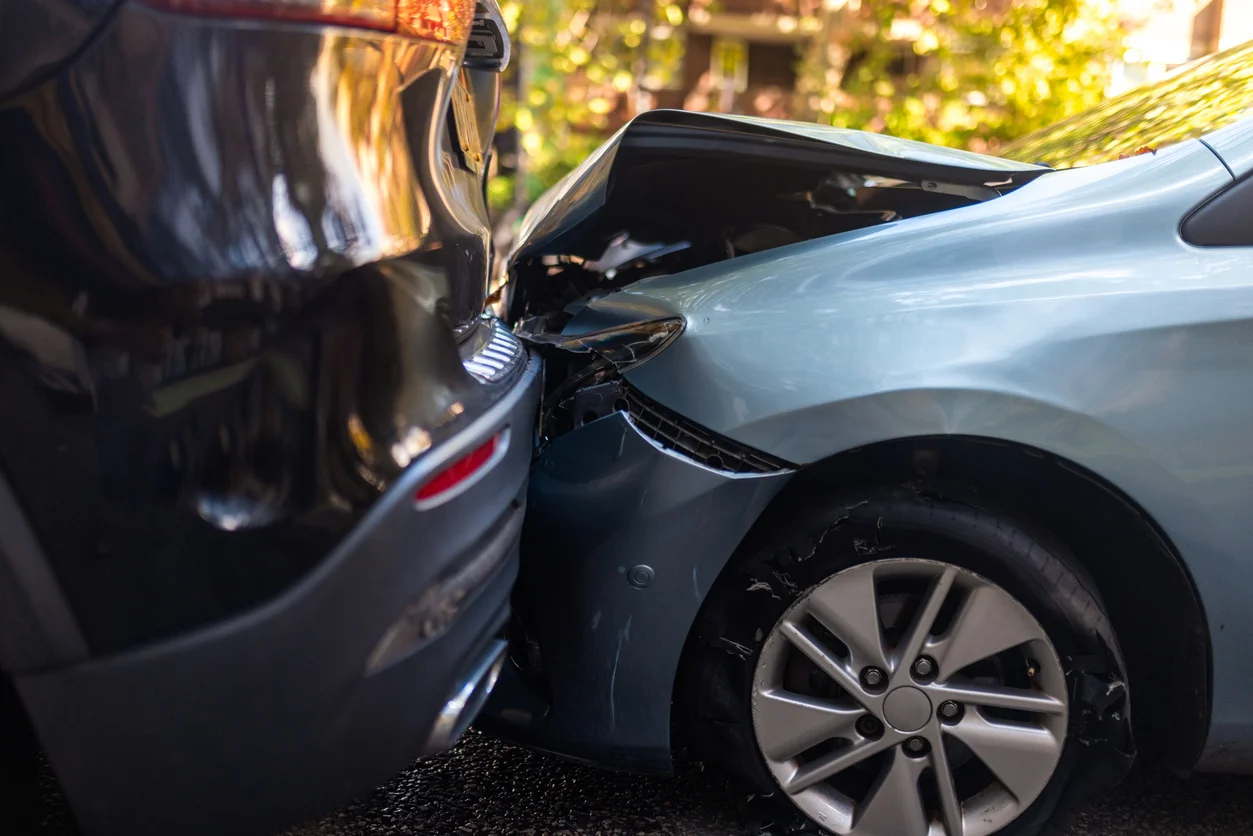
Rideshare accidents often involve unique risks that go beyond typical car crashes. Drivers rely on apps, navigate unfamiliar routes, and operate under time pressure, all of which can contribute to dangerous situations. Understanding how these crashes happen and how negligence is proven can make a meaningful difference in how a claim or case unfolds.
Distracted Driving From App Use and Navigation
One of the most common causes of Uber and Lyft accidents is distraction. Drivers are not just watching the road. They are interacting with the app, reading messages, and following navigation instructions that may change in real time.
This can lead to drifting between lanes, delayed braking, or missing traffic signals. Proving distraction often comes down to building a timeline. Phone records, app activity logs, and trip data can show whether the driver was actively using their device at the time of the crash. Witness statements and video footage can further support what happened in those critical moments.
Speeding and Unsafe Driving Under Pressure
Rideshare drivers may feel pressure to complete trips quickly, reach pickups on time, or maintain high ratings. This can result in speeding, aggressive lane changes, or risky turns, especially in high-traffic areas.
Evidence in these cases often includes physical damage, skid marks, and electronic data from the vehicle. Event data recorders may capture speed and braking behavior, while traffic cameras can show how the crash occurred. These details help establish whether the driver acted unreasonably under the circumstances.
Pickup and Drop-Off Hazards
Many rideshare accidents happen at the curb. Drivers may stop suddenly, double-park, or make abrupt turns while trying to locate a passenger. At the same time, passengers and pedestrians may be distracted while entering or exiting the vehicle.
These situations can lead to pedestrian injuries, bicycle collisions, or chain-reaction crashes. Video footage from nearby businesses or residences is often key in proving how the incident unfolded. App data, including pickup location and timing, can also explain why a driver made a sudden maneuver.
Vehicle Maintenance and Mechanical Failures
Not all rideshare accidents are caused by driver behavior. Poor vehicle maintenance can also play a role. Worn tires, faulty brakes, or other mechanical issues can turn a routine trip into a serious crash.
Proving negligence in these cases may require maintenance records, inspection reports, and expert analysis of the vehicle. Preserving this evidence early is critical, as repairs or part replacements can eliminate important proof.
Who May Be Liable in a Rideshare Accident
Liability in an Uber or Lyft accident is not always straightforward. Depending on the facts, responsibility may fall on the rideshare driver, another driver, a pedestrian, or even a property owner or government entity.
In multi-vehicle crashes, fault can be shared among multiple parties. Evidence such as photos, videos, and witness accounts helps establish how responsibility should be divided. In Pennsylvania, comparative negligence rules can affect how much compensation is ultimately available.
How Negligence Is Proven
Negligence is based on whether a driver failed to act with reasonable care. This can include speeding, failing to yield, or driving while distracted. Proving negligence requires showing both what the driver should have done and how their actions fell short of that standard.
Causation is also essential. It must be shown that the driver’s actions directly led to the crash and resulting injuries. Medical records, accident reports, and consistent documentation help connect the incident to the harm suffered.
Why Evidence Matters in Rideshare Cases
Rideshare claims often depend on detailed evidence, including app data, timestamps, and electronic records. These details can determine not only the fault but also which insurance coverage applies.
Early documentation is critical. Photos, trip information, and medical records can strengthen a claim and reduce the likelihood of disputes. When evidence is incomplete or inconsistent, insurers may challenge key aspects of the case.
Navigating Insurance and Legal Challenges
Insurance coverage in rideshare accidents can vary depending on whether the driver was offline, waiting for a ride, or actively transporting a passenger. Disputes over app status are common and can significantly impact a claim.
Additional challenges may arise when multiple insurance policies are involved or when fault is contested. Statements made early in the process can also affect how a case develops, especially in more serious situations.
Moving Forward After a Rideshare Accident
Rideshare accidents can quickly become complex, especially when multiple parties, policies, and legal issues are involved. Taking the right steps early and understanding how negligence is evaluated can help protect your position.
If you are dealing with the aftermath of an Uber or Lyft accident and have questions about your rights or responsibilities, van der Veen, Hartshorn & Levin can provide clarity and help you determine the best path forward based on your specific situation.

