

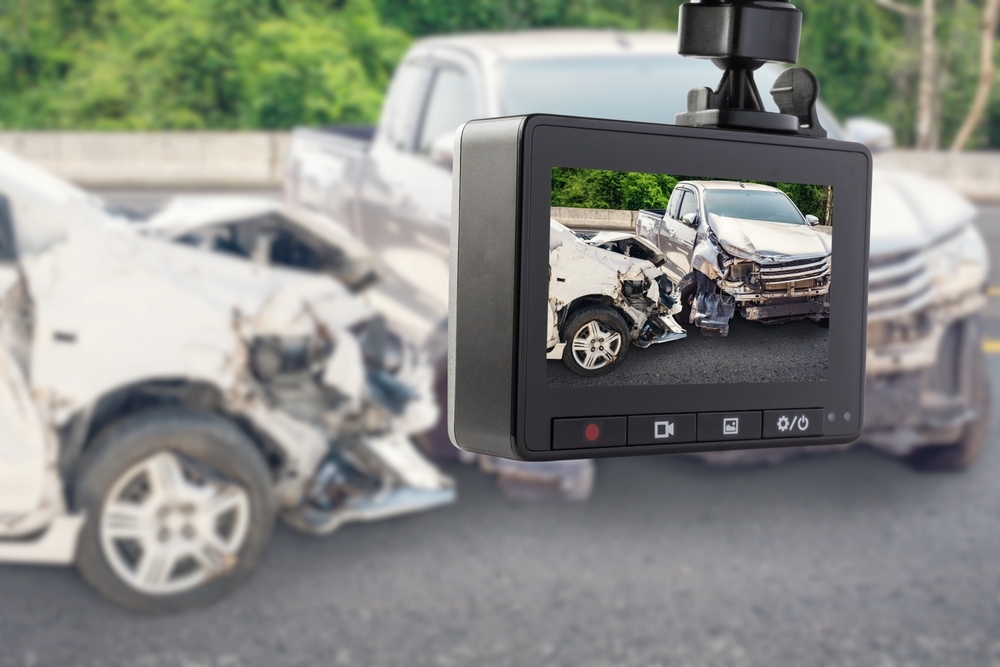
In an era where almost every intersection in Philadelphia is monitored and many homes in suburbs like Lower Merion have a camera at the front door, the way personal injury claims are litigated has changed forever. Whether you are driving past the Philadelphia Museum of Art or walking your dog in a quiet Montgomery County neighborhood, there is a high probability that a lens is capturing the world around you. This technology has moved from being a luxury to a critical piece of evidence that can define the success of a legal claim.
If you are facing the aftermath of an injury, call van der Veen, Hartshorn and Levin at 215-486-0123 or reach out through our online contact form to schedule a free, confidential consultation.
Digital Evidence In Personal Injury Claims: How Video Footage Can Strengthen Your Case
In the past, personal injury cases often relied on he said, she said accounts from the parties involved and the fading memories of bystanders. Today, digital evidence from dashcams and doorbell cameras provides an objective, unbiased record of events as they truly happened. In Pennsylvania, where the modified comparative negligence rule can bar you from recovery if you are found more than 50 percent at fault, having a clear video of the other driver running a red light or a property owner failing to clear ice can be the difference between a successful claim and a total loss.
Video evidence does more than just show the impact; it captures the context of the environment. It can reveal weather conditions, traffic patterns, and the presence of hazards that may have disappeared by the time an investigator arrives. At van der Veen, Hartshorn and Levin, we utilize this technology to build a foundation for our clients that is difficult for insurance companies to dispute. When a camera records the truth, the focus shifts from debating what happened to determining the fair value of your recovery.
Similar Post: Who Really Pays The Bill? Debunking The Top 3 Myths About Personal Injury Settlements
Using Dashcam Video As Evidence: Proving Fault In Complex Car Accidents


A dashcam is essentially a silent witness that travels with you through every mile of your commute. In a high-traffic city like Philadelphia, where accidents are frequent and fault is often contested, this footage is invaluable. It can capture reckless lane changes, tailgating, or a driver who was clearly distracted by their phone before the collision. This objective documentation eliminates the guesswork that often leads to lengthy disputes with insurance adjusters.
The value of a dashcam extends beyond just recording the other driver. It can also protect you from fraudulent claims or staged accidents where another party intentionally causes a collision to collect insurance money. By providing a timestamped, high-definition record of your own safe driving, you can quickly shut down false accusations and move your claim toward a resolution.
- Front-facing cameras: Capturing the primary events and traffic signals leading up to an impact.
- Rear-facing cameras: Providing evidence in rear-end collisions and showing the behavior of following drivers.
- GPS and speed data: Offering a verified record of your location and velocity at the time of the crash.
- Night vision capabilities: Ensuring that accidents occurring after dark on poorly lit roads are still clearly visible.
- Audio recording: Documenting the sound of the impact or statements made by the other driver immediately following the crash.
While having this footage is helpful, it must be handled correctly to remain admissible in court. In Pennsylvania, audio recording without consent can sometimes run afoul of wiretapping laws, which is why it is essential to have an attorney review your footage before sharing it with third parties.
Similar Post: 5 Costly Insurance Adjuster Mistakes to Avoid After a Pennsylvania Car Accident
Private Property Slip And Fall Claims: How Doorbell Video Can Capture What Happened
Home security systems like Ring or Nest have become a standard feature in many residential areas throughout the Delaware Valley. These cameras are not just for catching porch pirates; they are frequently the key evidence in premises liability cases. If you slip on an untreated sidewalk or are injured by a hazardous condition on someone’s property, a doorbell camera may have recorded the exact moment of the fall and, more importantly, how long the hazard existed before you arrived.
To win a slip and fall case, you often must prove that the property owner had notice of the dangerous condition. A doorbell camera can show that a spill or a patch of ice sat untouched for hours while the homeowner walked past it multiple times. This evidence proves negligence by showing the owner failed to act in a reasonable timeframe to keep their property safe for visitors and pedestrians.
These cameras also capture the immediate aftermath of an accident, documenting the severity of the fall and your initial reaction to the pain. This can counter insurance company arguments that the injury was minor or occurred elsewhere. Video evidence provides a powerful narrative that helps a jury or an adjuster understand the human impact of a property owner's neglect.
Similar Post: Most Common Slip and Fall Injuries
Evidence Preservation In Personal Injury Cases: Why Acting Quickly Protects Digital Data
One of the most significant challenges with digital evidence is its temporary nature. Most dashcams and home security systems operate on loop recording, meaning they automatically delete old footage once the memory card or cloud storage is full. If you do not take immediate steps to save the video, the most important evidence in your case could be lost forever within a few days or even hours.
In cases involving commercial properties or government-owned cameras, a legal preservation letter is often required to ensure that the footage is not destroyed as part of a routine data purge. Our firm acts decisively to identify all potential video sources and issue the necessary legal demands to protect this data. Waiting too long to seek legal help often means losing the very proof needed to win your case.
- Saving the SD card: Removing the physical memory card from a dashcam immediately after an accident to prevent overwriting.
- Cloud backup: Ensuring that doorbell camera footage is downloaded and stored in multiple secure digital locations.
- Identifying neighbors' cameras: Checking nearby homes for cameras that may have caught a different angle of your accident.
- Spoliation notices: Formally alerting property owners that they have a legal duty to preserve surveillance footage.
- Forensic authentication: Using technical experts to prove the video is genuine and has not been altered or edited.
By securing this evidence early, you provide your legal team with the tools needed to negotiate from a position of strength. Digital evidence is objective, and when it supports your claim, it often leads to faster settlements as insurance companies realize they cannot win a he said, she said argument against a video recording.
Admissibility Of Digital Evidence In Court: Making Sure Your Tech Evidence Holds Up
Simply having a video is not enough; it must meet specific legal standards to be used in a Pennsylvania court. The evidence must be authenticated, meaning someone must be able to testify that the video is a fair and accurate representation of the event. Any editing, trimming, or renaming of the file can raise questions about its integrity and potentially lead to a judge excluding it from the case.
Insurance companies will often hire their own experts to scrutinize your video frame-by-frame, looking for any minor error on your part, such as a slight increase in speed or a failure to use a turn signal, to shift the blame back onto you. This is why you should never post your accident footage on social media or send it to an insurance adjuster without a lawyer’s oversight. Your own evidence can be twisted against you if it is not presented within the proper legal framework.
At van der Veen, Hartshorn and Levin, we understand the technical and legal nuances of digital evidence. We know how to shield our clients from the tactics used by insurance companies to undermine video proof. We treat your digital evidence with the same level of care and precision that we bring to the trial itself, ensuring that the technology works for you, not against you.
Digital Evidence In Court: Why van der Veen, Hartshorn and Levin Is Your Legal Advantage
As technology continues to evolve, the ways we prove personal injury claims will continue to change. From AI-driven accident reconstruction to wearable fitness trackers that document physical limitations, the digital footprint of an accident is larger than ever. Navigating this landscape requires a legal team that is not only experienced in the courtroom but also stays at the forefront of how modern tech impacts the law.
We are proud to represent clients from all walks of life, from those who have suffered a minor injury to families facing the tragedy of a wrongful death. No matter the scale of your case, our goal is to provide superior representation that accounts for every piece of evidence available. We combine our decade-long history of trial success with a modern understanding of the tools that win cases today.
The legal system is built on facts, and modern technology provides those facts with more clarity than ever before. By combining the power of video evidence with the tenacity of a proven trial firm, you give yourself the best possible chance for a full recovery. Call us now at 215-486-0123 or reach out through our online contact form to speak with an attorney and learn how we can help protect your rights. We represent clients throughout Pennsylvania, including Philadelphia, Drexel Hill, and Allentown.
Disclaimer: This blog is intended for informational purposes only and does not establish an attorney-client relationship. It should not be considered as legal advice. For personalized legal assistance, please consult our team directly.