
Yes, a rear-end crash in stop-and-go holiday traffic can absolutely support a valid personal injury claim. Even low-speed impacts can cause serious injuries, especially when your body gets jolted forward and back with little warning. In addition, holiday traffic often creates the exact conditions that lead to chain-reaction collisions, distracted driving, and disputes about who hit whom first. Because of that, you should take a rear-end crash seriously, document what happened, and get medical care quickly, even if the vehicles do not look badly damaged.
This guide explains when a rear-end crash can become a valid injury claim, what insurers typically argue in these cases, and what steps help protect your health and your case.
Why Rear-End Crashes In Holiday Traffic Often Cause Injuries
Stop-and-go traffic feels slow, but it can still generate significant force. When a vehicle strikes you from behind, your torso often moves with the seat while your head lags behind, then snaps forward. That motion can strain muscles and ligaments in the neck and upper back. It can also aggravate prior conditions or trigger new pain that ramps up over the next day or two.
Common injuries from rear-end crashes include:
- Whiplash and soft tissue strain in the neck and shoulders
- Mid-back or lower back pain
- Herniated or bulging discs
- Concussions and other head injuries, even without a direct head strike
- Jaw pain or dental injury from sudden impact
- Wrist, knee, or shoulder injuries from bracing for impact
In addition, holiday traffic increases the chance of multiple impacts. For example, you may get hit from behind, then pushed into the car in front of you. That second impact can worsen injuries and complicate insurance disputes.
Similar Post: What Steps Should You Take After a Collision on Broad Street in Philadelphia?
Does A Rear-End Crash Automatically Mean The Rear Driver Is At Fault?
In many cases, yes. Drivers must leave enough space to stop safely, and they must maintain control of their vehicle. That is why rear drivers are often presumed responsible in typical rear-end collisions. However, fault is not always automatic. Insurers may argue that the front driver stopped suddenly, had non-working brake lights, or made an unsafe lane change right before impact. They may also argue a third driver caused a chain reaction.
Because fault arguments show up so often during the holidays, evidence matters. Photos, witness statements, vehicle damage patterns, and the police report can help clarify how the crash happened and who caused it.
Similar Post: How Do Police Reports Impact Car Accident Cases in Philadelphia?
What Makes An Injury Claim Valid After A Rear-End Crash?
A valid personal injury claim generally comes down to a few core elements. First, another driver acted negligently, such as following too closely, driving distracted, or failing to slow down in traffic. Second, the crash caused injuries, or it made pre-existing conditions worse. Third, you have losses tied to those injuries, such as medical bills, time missed from work, or ongoing pain that affects daily life.
Even if you feel okay at the scene, you can still have a valid personal injury claim. Many rear-end crash injuries develop after a delay. Therefore, prompt medical evaluation and clear documentation often make the difference between a strong claim and an insurer calling it a minor bump.
Why Insurance Companies Downplay Rear-End Injuries In Stop-And-Go Traffic
Insurers often focus on vehicle damage. They may argue that low property damage means low injury potential. They may also push the idea that soreness is normal and will resolve quickly without real treatment. In addition, insurers sometimes suggest that delayed symptoms mean the injury came from something else.
This is why medical documentation matters. If a doctor documents reduced range of motion, muscle spasms, concussion symptoms, or back pain soon after the crash, it becomes harder for the insurer to dismiss your claim as unrelated.
What You Should Do Right After A Rear-End Crash In Holiday Traffic
You can protect both your health and your claim by taking smart steps early.
- Call 911 when appropriate. If there are injuries, significant damage, a dispute, or a hit-and-run, a police response can help document what occurred.
- Get checked out the same day. Visit an emergency department, urgent care, or your doctor, depending on symptoms. Head injury symptoms, neck pain, numbness, and back pain deserve prompt evaluation.
- Document the scene. Take photos of vehicle positions, license plates, damage, debris, skid marks, traffic signals, and road conditions. Take wider shots too, so the location is clear.
- Gather witness contact information. Holiday traffic moves fast, and witnesses leave quickly. If someone saw the crash, get their name and number.
- Exchange driver information. Collect insurance information, driver license details, and plate numbers.
- Stay factual. Avoid making statements that sound like you are fine or that imply fault. You can be polite without minimizing your injuries.
Medical Care That Often Matters In Rear-End Injury Claims
Most people think of rear-end crashes as neck soreness, but the medical picture can be broader. Providers may recommend imaging when symptoms suggest a more serious issue, and they may refer you to physical therapy to improve function and reduce pain.
In general, consistent care and follow-through matter. When people skip appointments or stop treatment early, insurers often argue the injury was not serious. On the other hand, you should only pursue treatment that makes sense for your symptoms and provider recommendations.
What If You Had An Existing Neck Or Back Issue?
A prior condition does not automatically block a valid claim. In many cases, a crash can aggravate a pre-existing problem. The key is documenting what changed after the collision. For example, you may have had occasional stiffness before, but now you have daily pain, limited motion, or radiating symptoms. Your medical records and your symptom timeline can help show the difference.

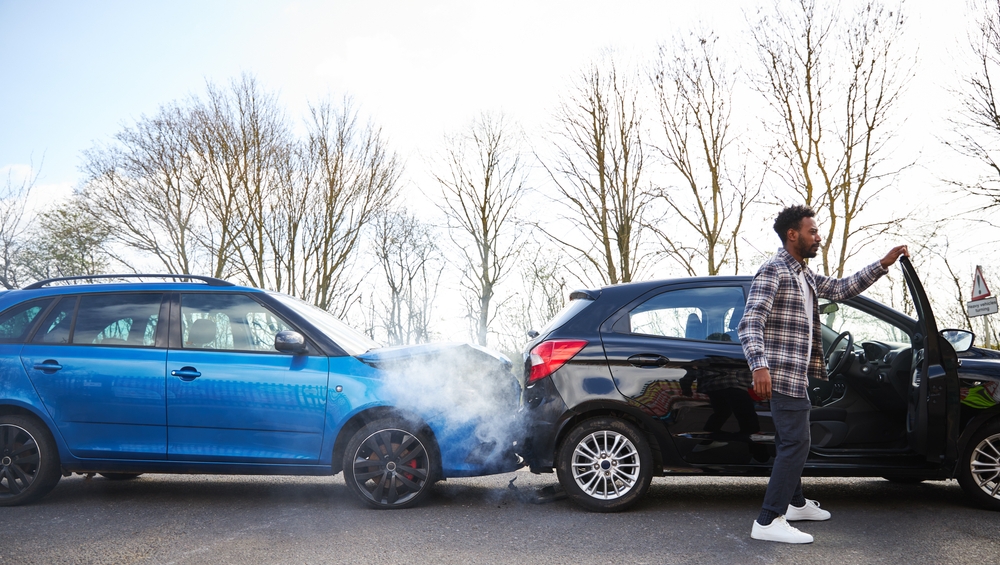
Chain-Reaction Rear-End Crashes During The Holiday Season in Pennsylvania
Many holiday rear-end crashes involve more than two vehicles. Chain reactions can make claims more complex because each insurer may try to push blame elsewhere. You may see arguments like the driver behind you caused the impact, or you were already pushed forward before you got hit again.
Because these cases get complicated quickly, it helps to document:
- The order of impacts as you experienced them
- Damage to both the rear and front of your vehicle
- The number of vehicles involved and their positions
- Any statements made at the scene
- Witness accounts that confirm what happened
Similar Post: Most Dangerous Roads In Philadelphia During Icy Weather
How Long Do You Have To Pursue A Claim?
Pennsylvania injury claims generally have two-year deadlines, and waiting too long can hurt your rights. In addition, waiting can also hurt evidence, because surveillance footage disappears, memories fade, and vehicles get repaired. Therefore, even if you are focused on treatment, you should still keep documentation organized and get clarity on timelines early.
What Damages Can Be Part Of A Rear-End Injury Claim?
A valid injury claim can include more than emergency care. Depending on the case, damages may include:
- Medical bills and future treatment costs
- Physical therapy and rehabilitation expenses
- Lost wages and reduced earning ability
- Pain and suffering based on the impact on daily life
- Out-of-pocket costs such as transportation to appointments
The value depends on injury severity, recovery time, how the injury affects work and daily activities, and how clearly the evidence supports causation.
What If The Other Driver Claims You Stopped Suddenly?
This is a common defense in stop-and-go traffic. However, traffic conditions often require sudden braking, and drivers behind you must maintain enough following distance to respond. Photos, dash cam footage, roadway layout, and witness statements can help address this argument. In addition, the police report may contain helpful details about driver statements and fault assessments.
Similar Post: PennDOT’s Winter Driving Guide: What Drivers Need to Know to Stay Safe
Were You Injured in a Rear-End Crash In Pennsylvania? Get Guidance From van der Veen, Hartshorn and Levin
A rear-end crash can still cause significant injury, medical bills, and time away from work, even when the vehicles do not look severely damaged. If you were injured in a rear-end collision in Philadelphia, Bristol, or Bensalem, van der Veen, Hartshorn and Levin can help you understand whether you have a valid injury claim, what evidence matters most, and what next steps can protect your case. Call us today at 215-486-0123 or fill out our online contact form to schedule a free consultation.
Disclaimer: This blog is intended for informational purposes only and does not establish an attorney-client relationship. It should not be considered as legal advice. For personalized legal assistance, please consult our team directly.